By David Farkas, Leica Store Miami
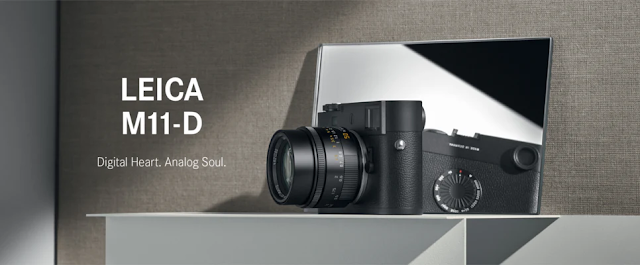
Today, Leica has announced the Leica M11-D. Based on the latest M11-P digital rangefinder, the M11-D takes the analog aesthetic to a whole new level. With no LCD display and classic M styling, the camera could easily be mistaken for a film M. Sporting a matte black paint finish, white classic Leica engraved script on top, no red dot on the front and black leatherette covering, the M11-D looks subtle and classic.
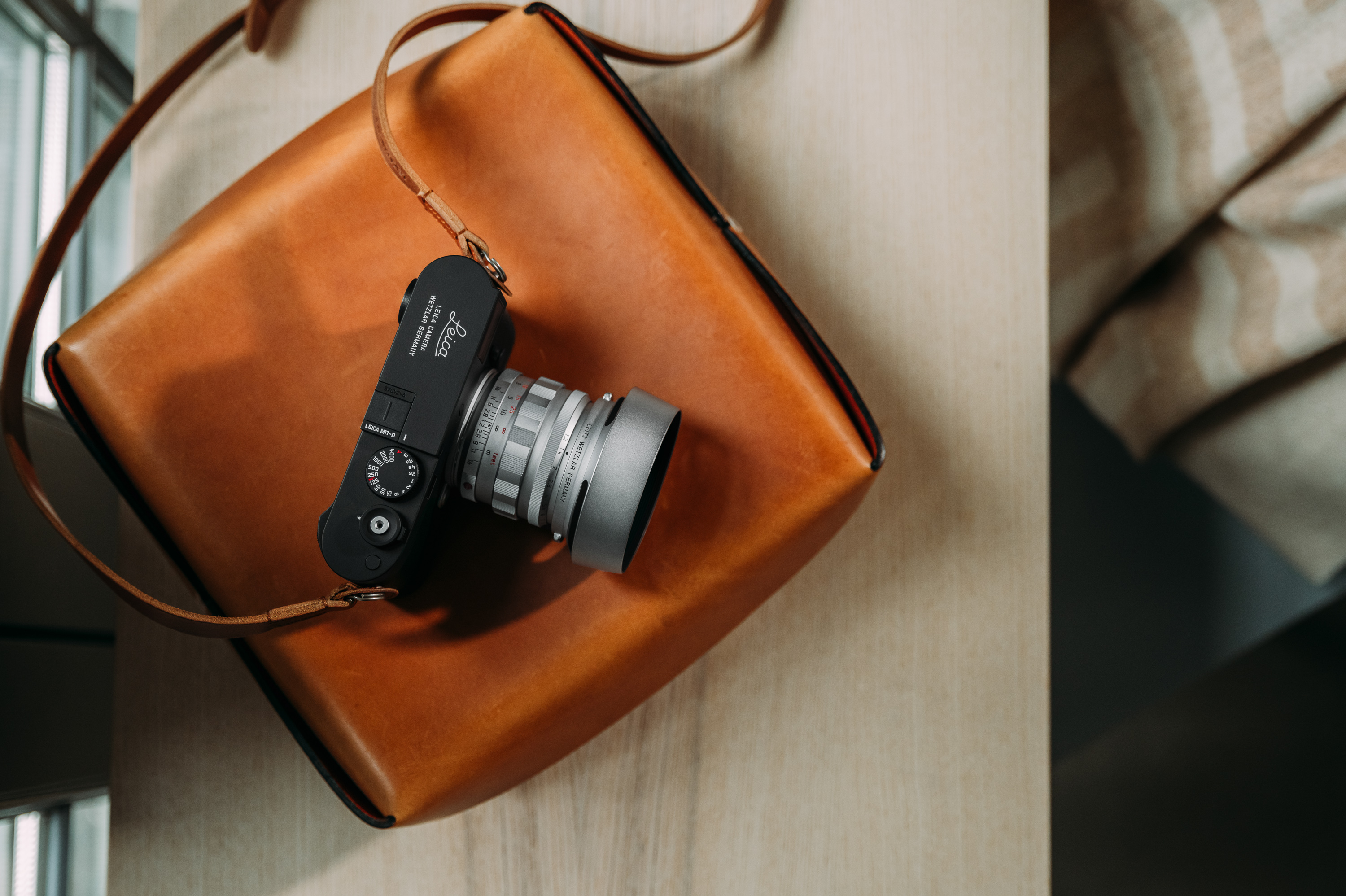
The lack of a rear display on a digital M was first seen in the limited Leica M Edition 60, which commemorated 60 years of M photography in 2014. Due to popular demand, Leica rolled out the same concept in a regular production model, the M-D (Typ 262), less than two years later. And while the M-D 262 had the right idea, functionality was limited, with no way to adjust settings. Some users also felt that the M240-based body was still too thick to be a pure M. Then, in 2018, Leica introduced the M10-D, which addressed all the concerns of the M-D 262 and put forth the most analog-feeling digital camera ever made. And now, with the introduction of the M11-D, we're seeing huge generational improvements in technology and functionality.
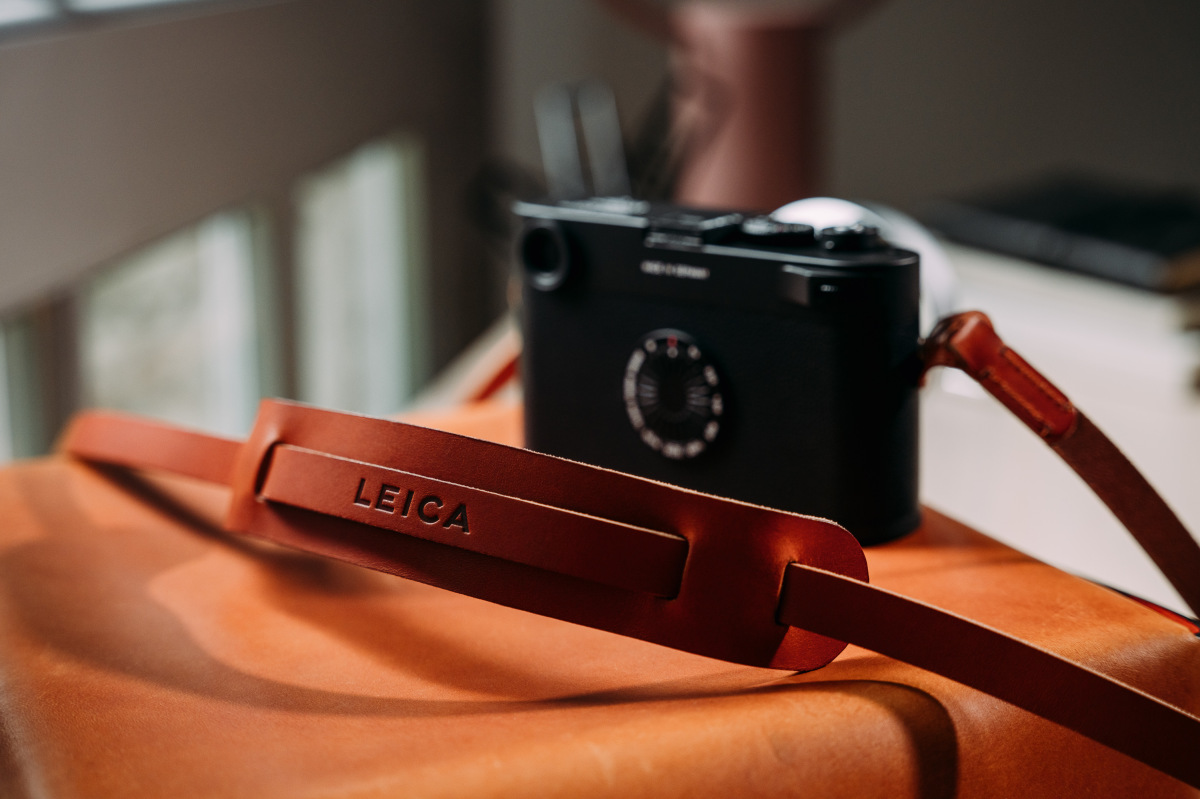
Based on the M11-P, the M11-D gets some notable upgrades over the previous M10-D. While the M11-D body looks very similar from the outside, it clocks in 120g lighter than its predecessor thanks to the switch from brass to aluminum construction. Under the hood, the well-loved 24 megapixel CMOS sensor and Maestro II processor get bumped up to the latest 60 megapixel triple-resolution BSI CMOS sensor, speedy Maestro III and a 3GB buffer, offering shooting in 60, 36 or 18 megapixels, at up 5 fps. The only omission from the previous M10-D is the dummy shutter advance lever. Leica received mixed reactions to this adornment in the M10-D, as it was nice aesthetically, but served no function. So, it's been omitted on the M11-D. For those seeking to add some additional support, any M11-compatible thumb rest and or hand-grip will do the trick.
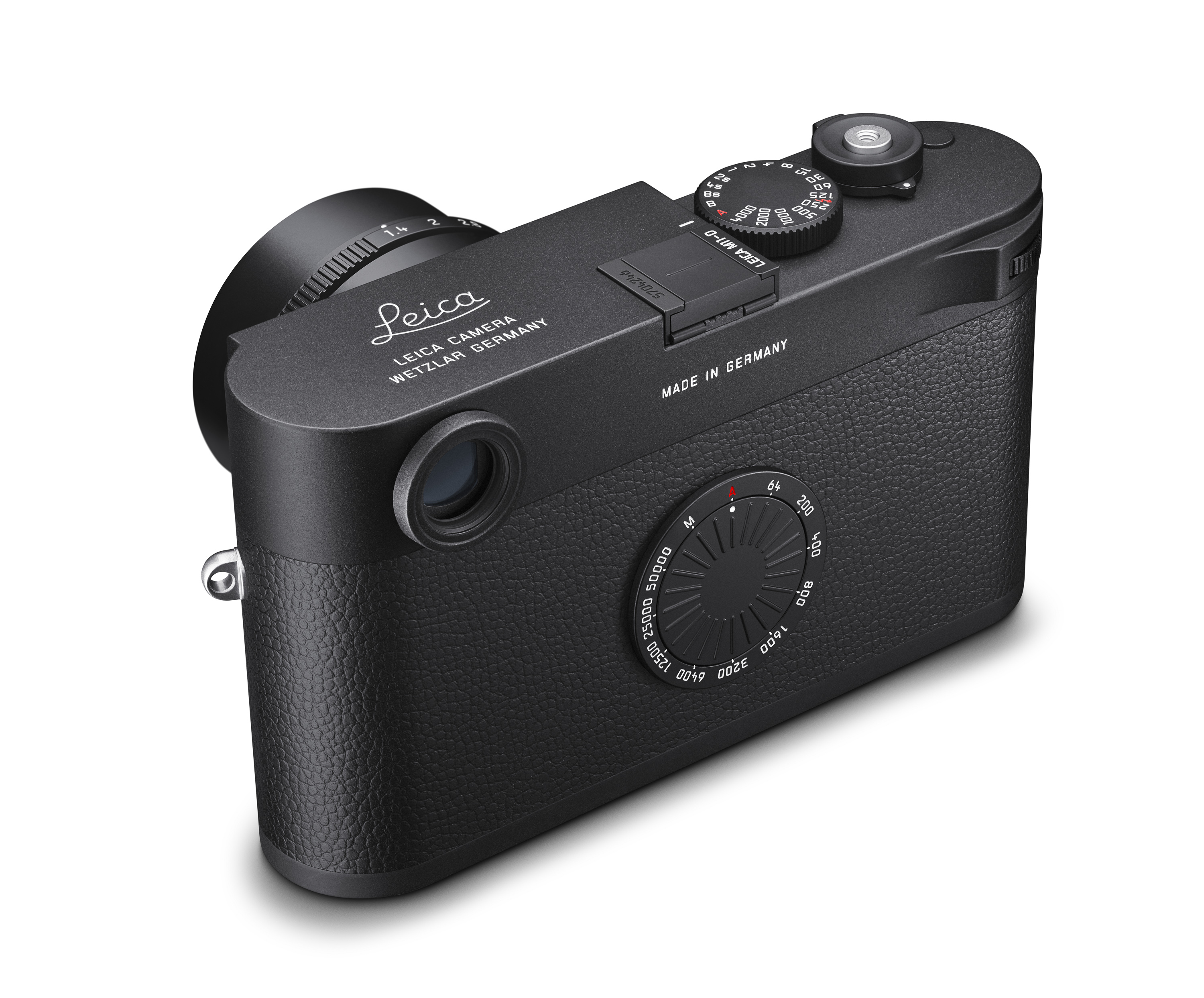
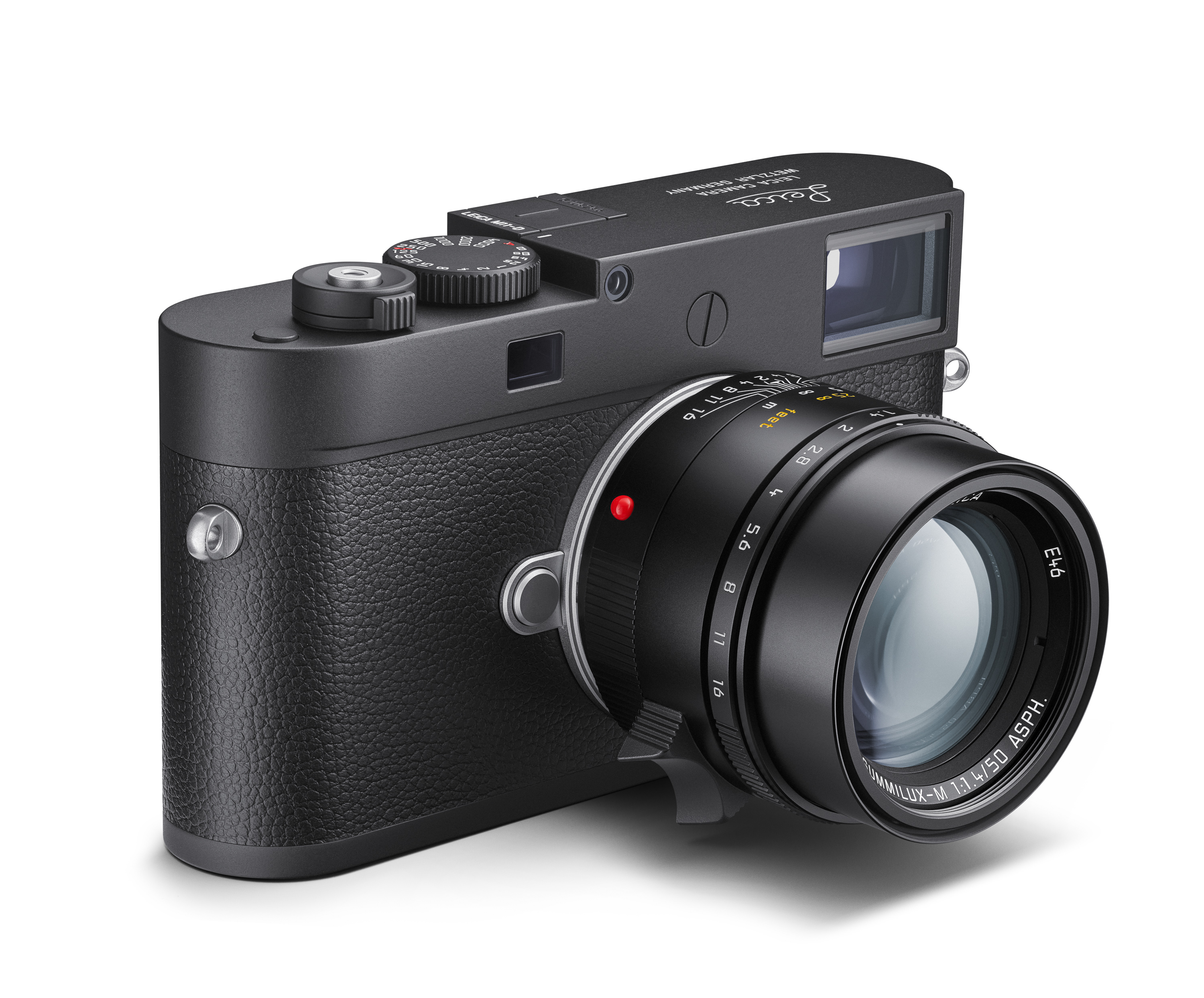
And just like the M11-P, the D variant includes 256GB of internal memory, UHS-II card support, the latest BP-SCL7 rechargeable battery, USB-C for high-speed data and charging, fast Wi-Fi, Bluetooth 4.2, electronic shutter, dark chrome viewfinder, and no removable bottom plate. Also notable is the inclusion of a dedicated hardware-based Leica Content Credentials encryption chip. Based on the framework described by the Content Authenticity Initiative (CAI) and the open technical standard of the Coalition for Content Provenance and Authenticity (C2PA), the authenticity of the pictures taken with the Leica M11-D can be verified at any time. Following the M11-P, this is the second camera to include this technology.
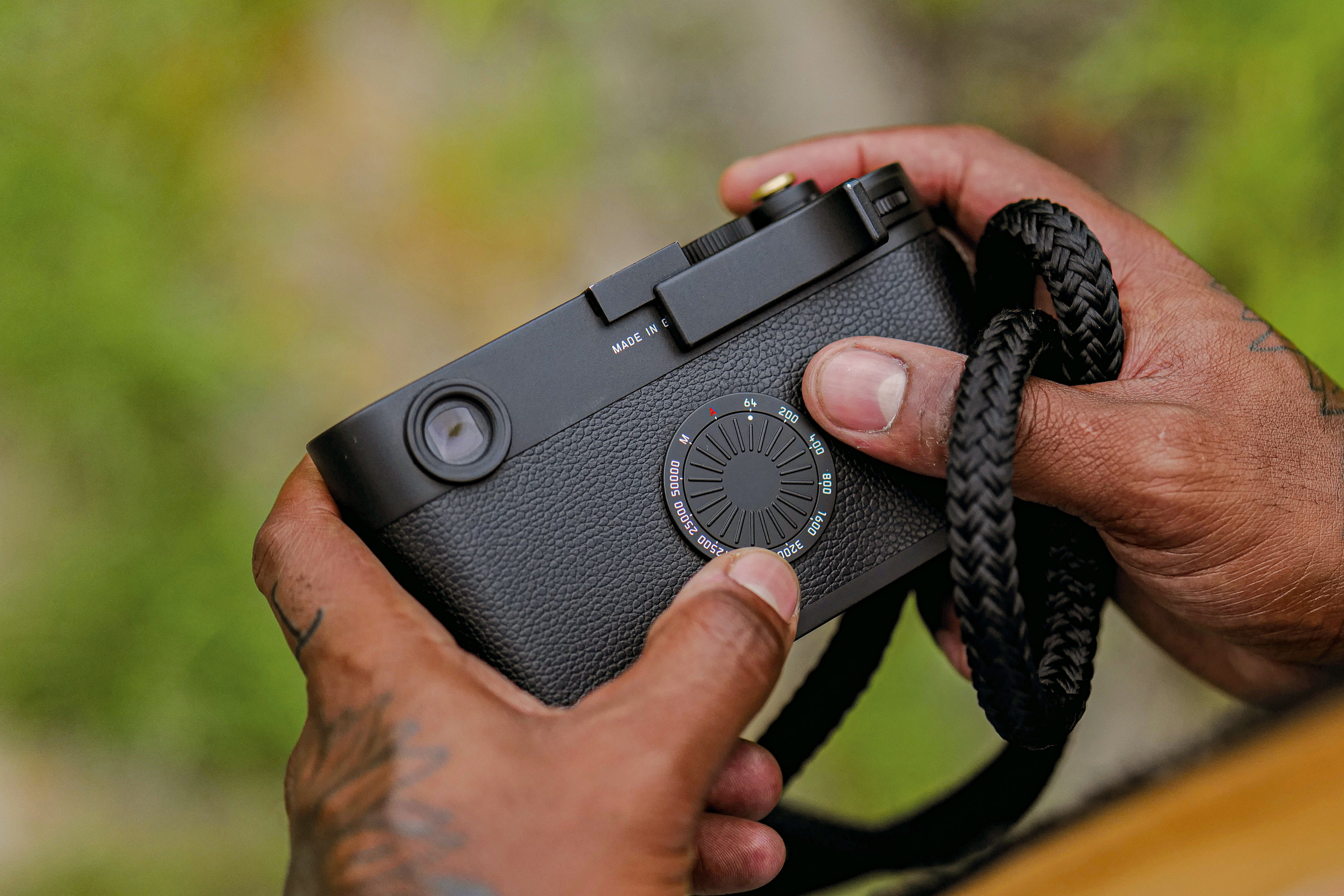
Replacing the rear LCD display, a large, easy-to-use ISO dial graces the back of the camera. Unlike the M11-P, the top ISO dial has been removed – the first camera to do so since the M10 was launched in 2017. The result is extremely clean. Other controls remain the same, though. There is still a top-mounted function button and rear clickable thumbwheel, allowing users to change a few camera settings in conjunction with the basic LCD display in the optical viewfinder. In normal shooting operation, the thumbwheel gives quick access to exposure compensation.
Even though the M11-D does away with the LCD screen, the camera does support the use of the Visoflex 2 EVF for those wanting the analog feel, but the convenience of live view. Best of both worlds. But, the EVF's role is limited to image capture with no support for playback or menu operation.
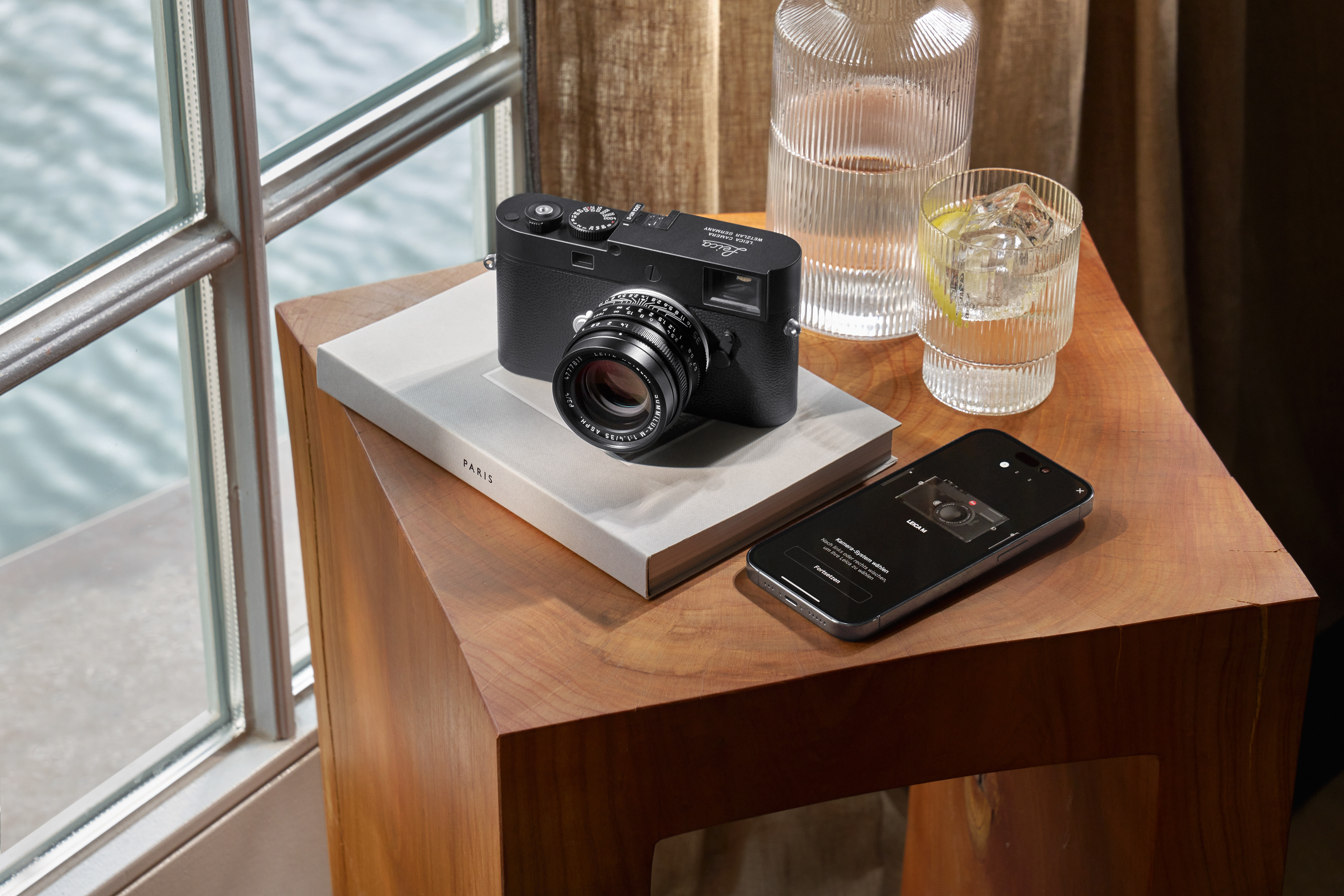
Like the previous M10-D, full camera setting menus can be accessed over WiFi using the Leica FOTOS app. Initial connection is extremely simply – just press and hold the FN button for five seconds with the app open and in pairing mode. As is the case with the entire range of Leica digital cameras, you can also use the M11-D in remote live view, as well as review and download images using the app, which is available for both iOS and Android.
Thoughts
The Leica M11-D is a camera for, shall we say, pragmatic purists. All the aesthetics and feel of an analog Leica M, with the flexibility, discreteness and image quality of an M11-P. The camera packs a technological punch but puts distractions aside for an uninterrupted shooting experience. Previous D variants have gained a cult-like following. We'd expect the same here.
Pricing and Availability
M11-D Compared with M10-D
Leica M11-D | Leica M10-D | |
| Sensor | 60.3MP BSI CMOS | 24MP CMOS |
| Processor | Maestro III | Maestro II |
| ISO Range | 64 – 50,000 | 100 – 50,000 |
| Content Credentials | Yes, via hardware chip | No |
| Fastest Shutter Speed | 1/16,000th sec | 1/4,000th sec |
| Longest Shutter Speed | 60 minutes | 125 seconds |
| Electronic Shutter | Yes | No |
| Buffer | 3GB, 15 DNG at 60.3MP, 30 at 36MP, ∞ at 18MP | 2GB, 16 DNG at 424MP |
| Internal Storage | 256GB | None |
| SD Card Speed | UHS-II | UHS-I |
| USB Charging & Tethering | Yes via USB-C | None |
| Battery Capacity | 1,800 mAh | 1,100 mAh |
| Weight | 539 grams | 660 grams |
| Digital Zoom | Yes: 1.3x & 1.8x | None |
| Bluetooth | Yes, v4.2 | None |
| Electronic Live View Stabilization | Yes | No |
| Flip-Out Thumb Rest | No | Yes |
Tech Specs
| Type no. | 2221 |
| Order No. | 20220 |
| Camera type | Digital camera system with rangefinder |
| Lens mount | Leica M bayonet with additional sensor for 6-bit encoding |
| Sensor | BSI CMOS sensor, pixel pitch: 3.76 μm, 35 mm: 9528 x 6328 pixels (60.3 MP) |
| Sensor Filter | RGB color filter, UV/IR filter, no low-pass filter |
| Image resolution | The entire sensor surface will always be used irrespective of format and resolution. Digital Zoom 1.3x and 1.8x available (always based on L-DNG or L-JPG) |
| Processor | Leica Maestro series (Maestro III) |
| File formats | DNG (raw data, loss-free compression), DNG + JPG, JPG (DCF, Exif 2.30) |
| DNG | L-DNG 60.3 MP 9528 x 6328 pixels M-DNG 36.5 MP 7416 x 4928 pixels S-DNG 18.4 MP 5272 x 3498 pixels |
| JPG | L-JPG 60.1 MP 9504 x 6320 pixels M-JPG 36.2 MP 7392 x 4896 pixels S-JPG 18.2 MP 5248 x 3472 pixels |
| File Size | Depending on resolution and picture content |
| DNG | L-DNG approx. 70–120 MB M-DNG approx. 40–70 MB S-DNG approx. 20–40 MB |
| JPG | L-JPG approx. 15–30 MB L-JPG approx. 15–30 MB S-JPG approx. 5–9 MB |
| Color depth | DNG: 14 Bit, JPG: 8 Bit |
| Color space | sRGB in JPG |
| Buffer memory | 3 GB |
| Pictures in Series | L-DNG: 15 |
| M-DNG: 30 | |
| S-DNG: Unlimited | |
| Storage Medium | UHS-II (recommended), UHS-I, SD/SDHC/SDXC memory card (SDXC cards up to 2 TB) |
| Internal Storage | 256GB Internal memory |
| Viewfinder | Large, bright-line rangefinder with automatic parallax compensation, suitable for -0.5 dpt; optional corrective lenses available: -3 to +3 dpt |
| Viewfinder Display | Four-digit digital display with items show on the top and bottom, Image field limiter: two lit frames: 35 mm + 135 mm, 28 mm + 90 mm, 50 mm + 75 mm (automatic switchover when lens is attached) |
| Parallax compensation | The horizontal and vertical difference between viewfinder and lens is compensated automatically in line with the relevant focus setting. Congruence of viewfinder and actual image. The size of the bright-line frame matches the distance: – at 2 m: the exact sensor size of approx. 23.9 x 35.8 mm – at infinity: (depending on focal length) approx. 7.3% (28 mm) to 18% (135 mm) – less than 2 m: less than sensor size |
| Viewfinder magnification | x0.73 (all lenses) |
| Large-base rangefinder | Split or superimposed image rangefinder shown as a bright field at the center of the viewfinder image |
| Focus range | 70 cm to ∞ |
| Focus mode | Manual (focus assist functions Magnification and Focus Peaking available) |
| LCD panel | None |
| Shutter type | Electronically controlled focal plane shutter and electronic shutter function |
| Shutter speeds | Mech. shutter: 60 min to 1⁄4000 s Electro. shutter function: 60 s to 1⁄16000 s Flash Synch: up to 1⁄180 s Optional noise reduction via additional “black picture” (can be disabled) |
| Shutter button | Two-stage (1st stage: activation of the camera electronics including exposure metering and metering memory lock, 2nd stage: taking the picture) |
| Self-timer | Delay time: 2 s or 12 s |
| Drive Mode | Single, Continuous – Low Speed (3 fps), Continuous – High Speed (4.5 fps), Interval Shooting, Exposure Bracketing |
| Exposure metering | TTL (exposure metering through the lens) |
| Metering principle | Exposure metering is done by the image sensor for all exposure metering methods (in Live View mode and in rangefinder mode) |
| Exposure metering modes | Spot, Center-Weighted, Highlight-Weighted, Multi-Field |
| Exposure modes | Aperture priority mode (A): Automatic shutter speed control with manual aperture preselection, Manual (M): manual setting for shutter speed and aperture |
| Exposure compensation | ±3 EV in 1⁄3 EV increments |
| Automatic bracketing | 3 or 5 shots, graduations between shoots up to 3 EV, in 1⁄3 EV increments, additional optional exposure compensation: up to ±3 EV |
| ISO sensitivity range | Auto ISO: ISO 64 (native) to ISO 50,000, also available in flash mode Manual: ISO 64 to ISO 50,000 |
| White balance | Automatic (Auto), Default (Daylight – 5200 K, Cloudy – 6100 K, Shadow – 6600 K, Tungsten – 2950 K, HMI – 5700 K, Fluorescent (warm) – 3650 K, Fluorescent (cool) – 5800 K, Flash – 6600 K), manual metering (Gray card), manual color temperature setting (Color Temperature, 2000 K to 11,500 K) |
| Flash sync time | 1⁄180s, slower shutter speeds available, automatic switchover to TTL linear flash mode with HSS-compatible Leica system flash units if sync time is undercut |
| Flash exposure metering | Using center-weighted TTL pre-flash metering with Leica flash units (SF 26, SF 40, SF 58, SF 60, SF 64) or with system-compatible flash units, remote controlled flash SF C1 |
| Flash exposure compensation | SF 40: ±2 EV in 1⁄2 EV increments, SF 60: ±2 EV in 1⁄3 EV increments, Other: ±3 EV in 1⁄3 EV increments |
| Displays in flash mode (in the viewfinder only) | Flash icon: Connection of an external flash unit |
| Interfaces | ISO accessory shoe with additional control contacts for Leica flash units and Leica Visoflex 2 viewfinder (optional accessory) |
| USB 3.1 Gen1 Typ-C (5 Gbs) | |
| WLAN | The Leica FOTOS app is required to use the WLAN function. The Leica app is available from the Apple App StoreTM or the Google Play StoreTM. 2.4 GHz/5 GHz* dual band IEEE802.11 a/b/g/n/ac Wave2 WLAN (standard WLAN protocol), encryption method: WLAN-compatible WPATM/WPA2TM, access method: infrastructure mode |
| Bluetooth | Bluetooth v4.2 BR/EDR/LE, BR/DR-channel 1-79, LE-channel 0-39 (2402–2480 MHz) |
| GPS | Geotagging via Leica FOTOS app using Bluetooth |
| Rechargeable battery (Leica BP-SCL7) | Li-Ion (Lithium-Polymer) rechargeable battery, rated voltage: 7.4 V / capacity: 1800 mAh, Charging voltage/current: DC 1000 mAh, 7.4 V, operating conditions: +10°C to +35°C (charging) / +0°C to +40°C (discharged) |
| Battery Life | Approx. 700 shots (in accordance with CIPA Standard) up to approx. 1,700 shots (Leica adapted shooting cycle – rangefinder use only) |
| USB Power supply | When in standby mode or Off: USB charging function, When On: USB power supply and intermittent charging |
| Charger Leica BC-SCL7 (not included) | Input: USB-C DC 5 V, 2A, output: DC 8.4 V, 1A, operating conditions: +10°C to +35°C, manufacturer: Dee Van Enterprises Co., Ltd., made in China |
| Switching adapter Leica ACA-SCL7 (not included) | Input: AC 110 V – 240 V ~ 50/60 Hz, 0.3A, output: DC 5V, 2A, operating conditions: +10°C to +35°C, manufacturer: Dee Van Enterprises Co., Ltd., made in China |
| Material | Full-metal housing made of magnesium and aluminum, leatherette cover |
| Operating temperature | +0 to +40°C |
| Tripod thread | A 1⁄4 DIN 4503 (1⁄4”) with stainless steel in the base |
| Dimensions | 139 x 38.5 x 80mm |
| Weight | approx. 539 g/457g (with/without battery) |
| Scope of Delivery | M11-D camera, battery, USB-C cable, body cap, neck strap, quick start guide |
Press Release
Introducing the new camera in the Leica M-System: Merging the classic charm of analog photography with cutting-edge digital workflow
Teaneck, September 12th, 2024. Experience the legendary craftsmanship of the Leica M- System, a symbol of unparalleled “Made in Germany” quality. Since its debut in 1954, the Leica rangefinder system has been the choice of the world’s finest photographers, renowned for its exceptional image quality, intuitive handling, and enduring value. The Leica M continues to honor its iconic design, staying true to the commitment of focusing on the essentials without compromise. The same holds true for the latest addition to the M11 family: the Leica M11-D. By omitting a display on the back, photography with the Leica M11- D focuses on the elementary aspects of pictorial design such as composition, aperture, shutter speed, and ISO. In place of the display, an easy to access ISO dial is showcased on the back of the camera. It offers exceptional customizability, modern connectivity and cutting-edge hardware-based authenticity technology, originally introduced into the camera market with the Leica M11-P as Leica Content Credentials. With its clean lines, matt black painted, scratch resistant surfaces and the absence of the red Leica logo, the new Leica M11-D embodies a sense of discreetness within the timeless Leica product design.
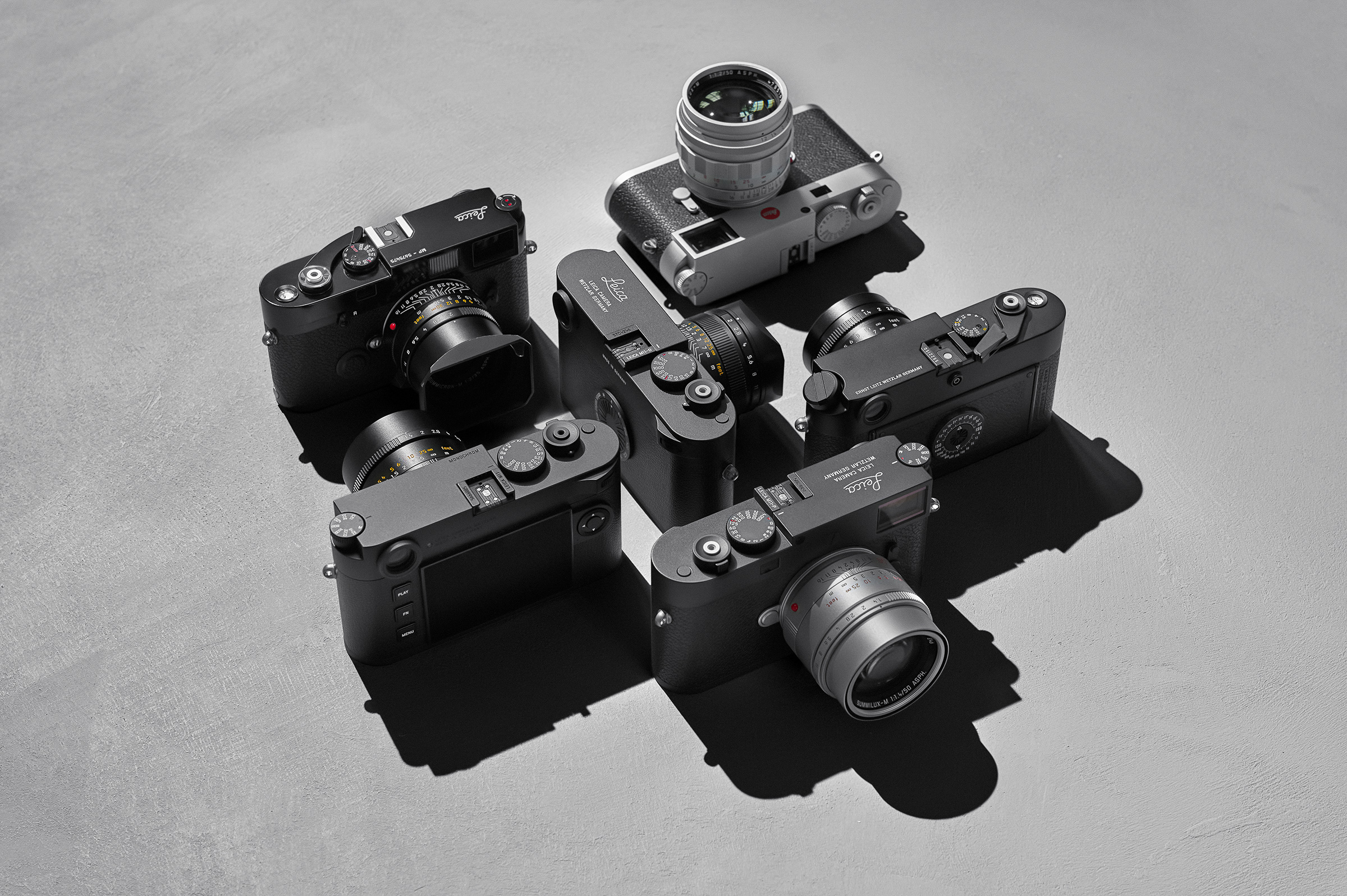
The Leica M11-D enables images with a resolution of either 60, 36 or 18 MP. With a cache of 3 GB, continuous shooting of up to 5 pictures per second with 60 MP is possible. The internal memory of 256 GB provides ample space for one’s images. In addition, the powerful battery makes sure that the Leica M11-D is always ready at the crucial moment. The new member of the particularly compact full-frame system lies comfortably in the hand. With just 19.05 ounces (incl. battery), it undercuts its predecessor by 4 ounces.
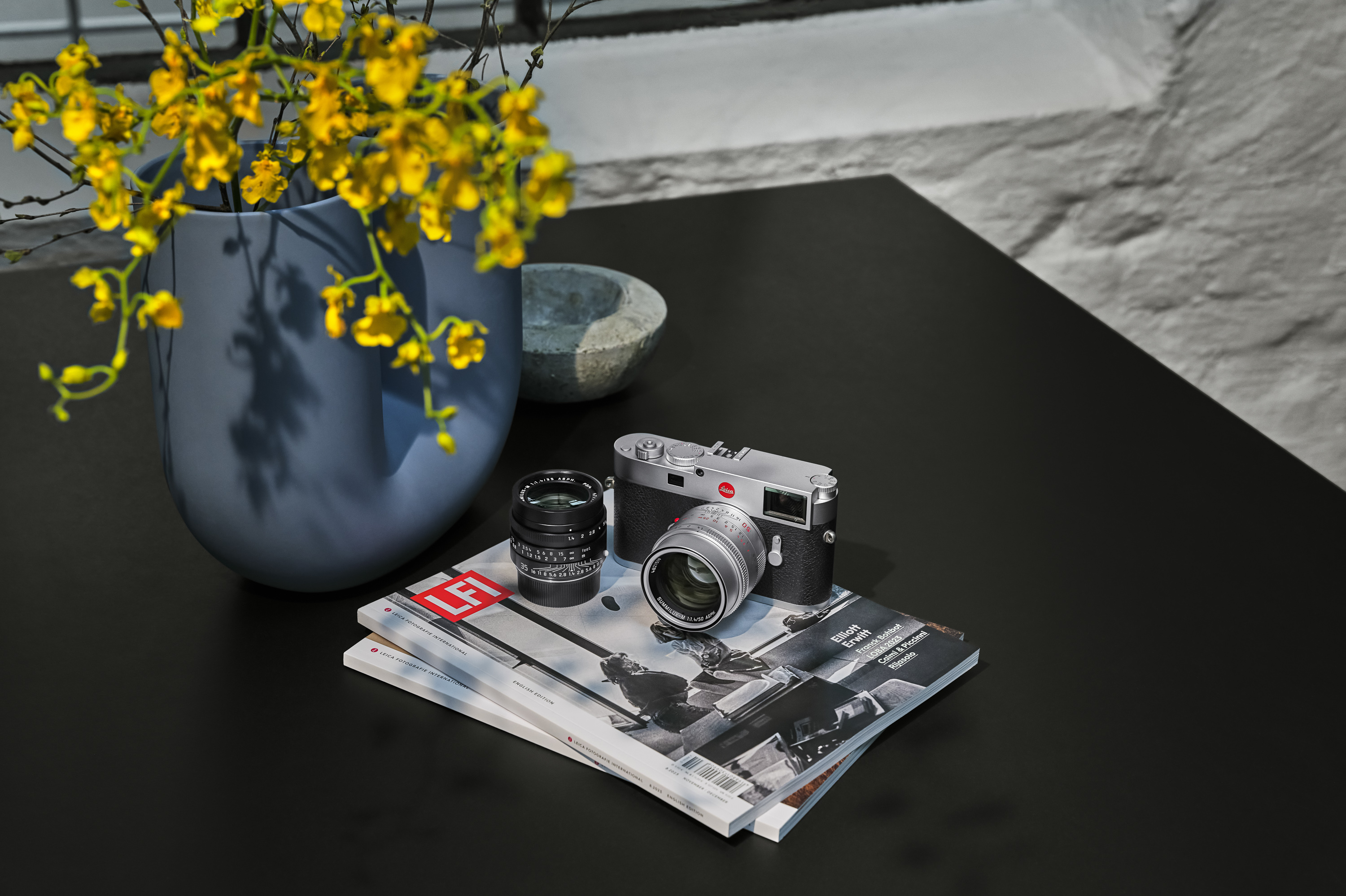
The Leica M11-D is extremely convenient to use and adapts to personal preferences thanks to customizable function key assignment. As a M-Camera, the Leica M11-D also offers access to Leica M fixed focal lengths introduced since 1954. Paired with the full-frame BSI CMOS sensor featuring Triple Resolution Technology, which has been specifically designed for the Leica M11 family, and an ISO range from native ISO 64 to ISO 50,000, the Leica M11-D delivers stunning images with impressive noise performance, even in low light.
While the Leica M11-D brings the analog experience into the digital realm, it does not limit itself to just that. The new M-Camera offers seamless connectivity via Bluetooth and direct USB-C cable connection. As a certified “Made for iPhone® and iPad®” product, it provides an exceptionally fast and easy connection to iOS devices.
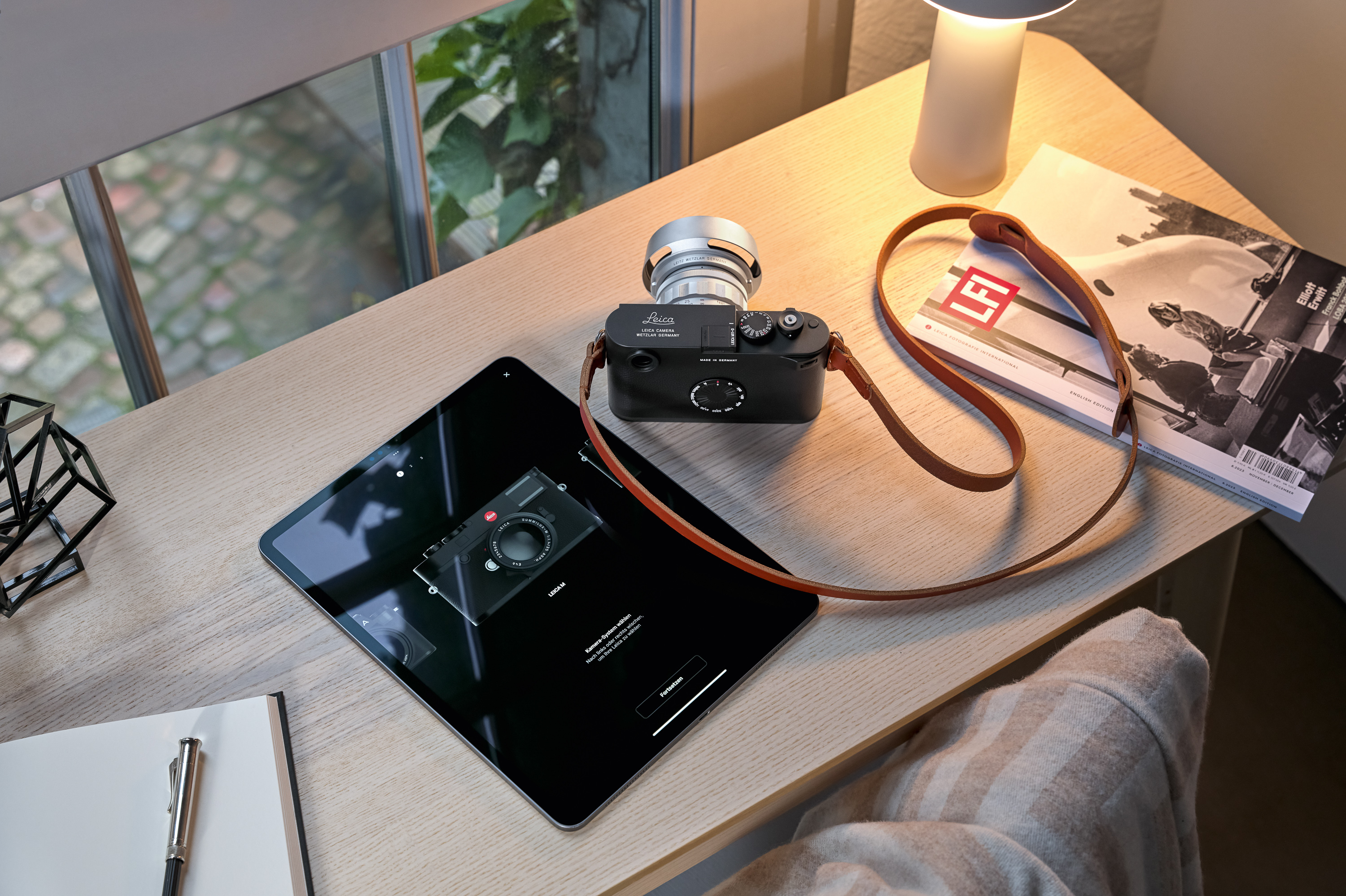
Furthermore, settings can be made with the Leica FOTOS app on the smartphone. This connection facilitates easy photo transfers, remote control and geotagging. Additionally, you can review and evaluate images in the Leica FOTOS app on iOS or Android devices independently of the camera. The app also allows for adjustments such as the white balance and the choice between DNG and JPEG file formats. Once saved in the Leica FOTOS app, these settings are permanently adopted by the Leica M11-D, allowing you to customize the camera to meet your specific needs.
Thanks to its dedicated hardware-based Leica Content Credentials technology, the new Leica M11-D helps to protect the authenticity of digital images. The technology is based on the framework described by the Content Authenticity Initiative (CAI) and the open technical standard of the Coalition for Content Provenance and Authenticity (C2PA). Thus, the authenticity of the pictures taken with the Leica M11-D can be verified at any time using a freely available tool or through https://contentcredentials.org/verify.
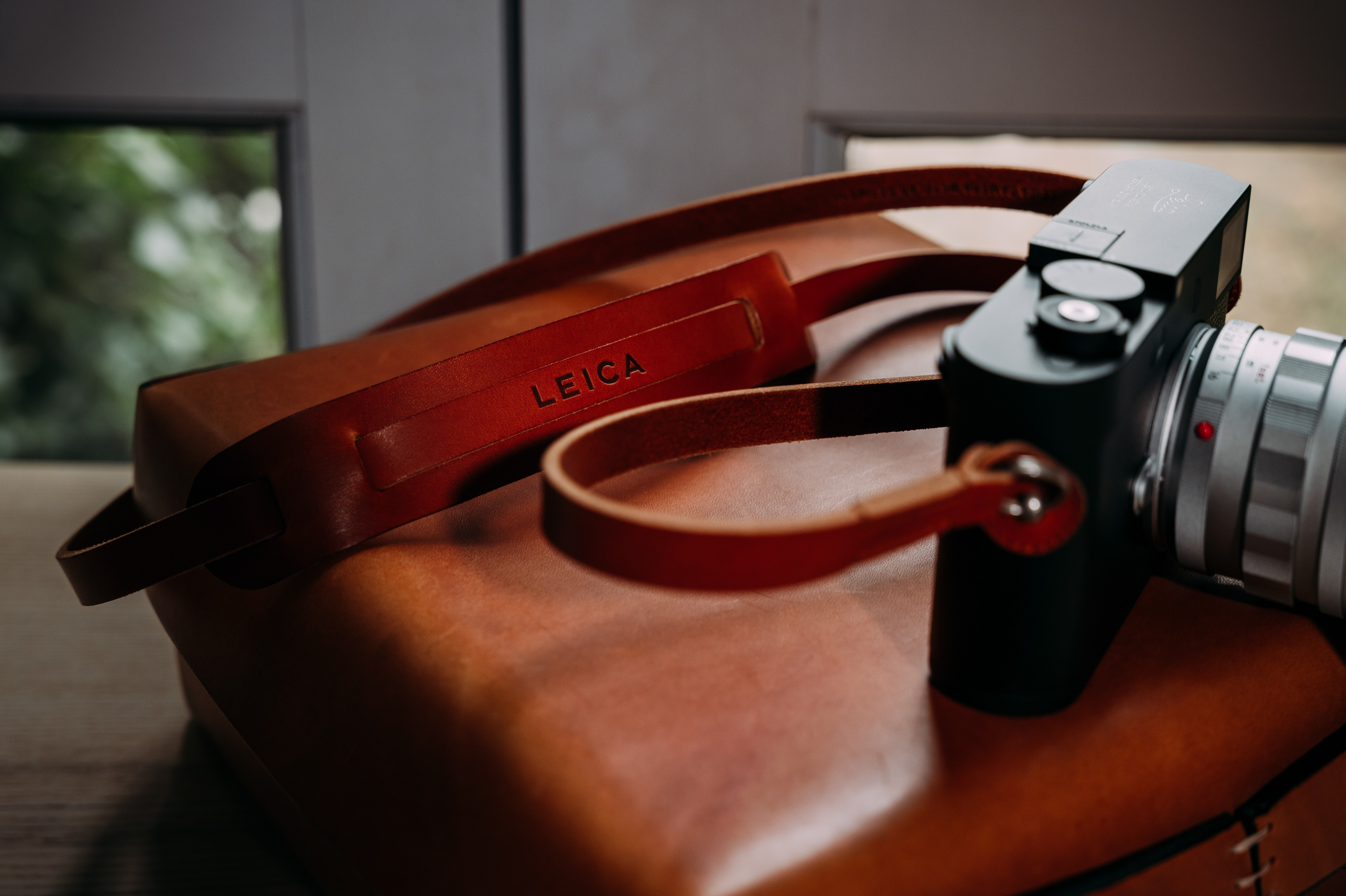
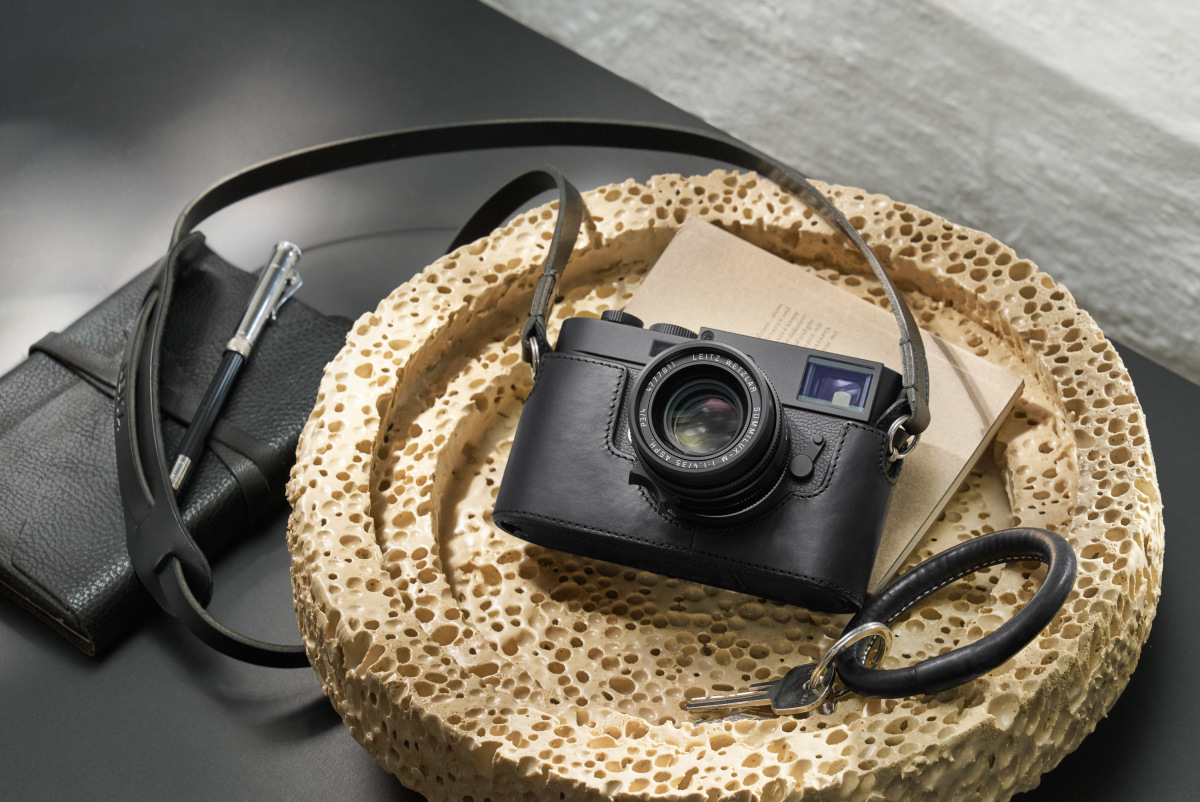
Alongside the new Leica M11-D, two matching high-quality leather accessories are available. One is a black protector, specifically designed for the Leica M11-D with a cutout for the mechanical ISO dial on the camera's back. The other is a carrying strap available in black and cognac, crafted from a single piece of leather, suitable for all M-Series cameras.
Looking toward the future, Leica is revamping its packaging, launching a new packaging concept for Leica products with the Leica M11-D. Produced in Germany, the newly designed boxes are crafted almost entirely from natural paper.
The Leica M11-D will be available globally at all Leica Stores and authorized dealers starting now. The retail price is $9,395.