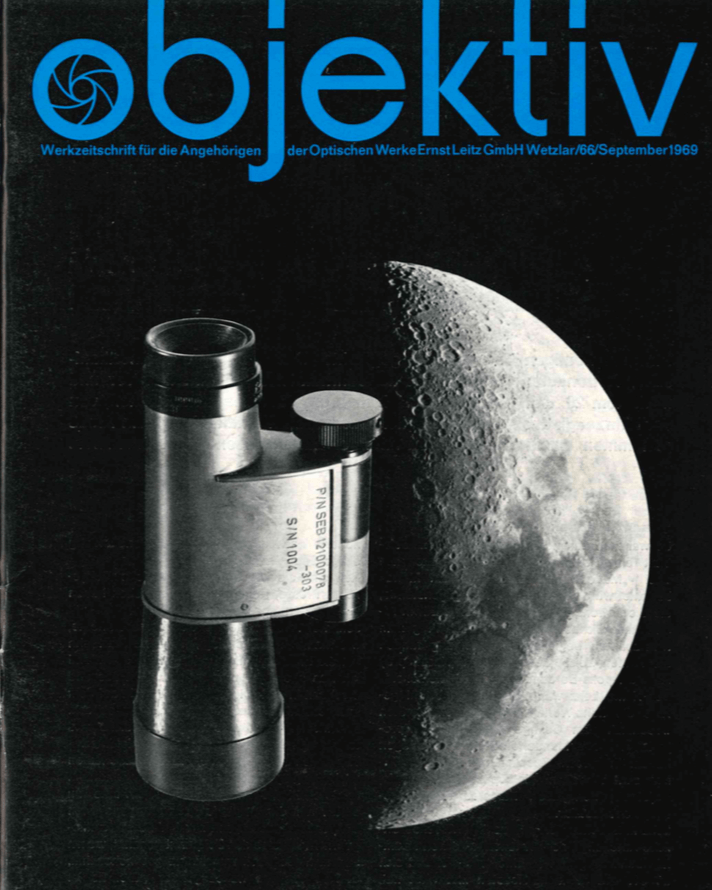
By Heinz Richter
When Leica still operated their North American Plant in Midland, Ontario, I constantly ran across individuals that questioned the quality of the items produced there. The question always was if a product made in Canada could possibly be of the same quality as if it were made in Germany.
The facility in Canada has long been sold, but I see the same questions being asked about the Leica Famalicão operation in Portugal. If anything, the doubts about the quality of the Portuguese made items is even greater than they were during the ELCAN days.
Being German myself, I should feel honored that some people think that German craftsmanship is superior to anyone else’s. I have said it in the past, and I am writing this article to say so again, such opinions are total nonsense.
Virtually all Leica equipment is at the technical and performance front of what is possible today. The reason for that is that Leica sets performance standards which are higher than most of their competition. Mechanical and optical tolerances are tighter, and adhered to more stringently than with other companies. That is what sets Leica apart and it does not make any difference where or by whom these standards are being adhered to.


The Famalicão plant is divided into an optics, a mechanical and an assembly section

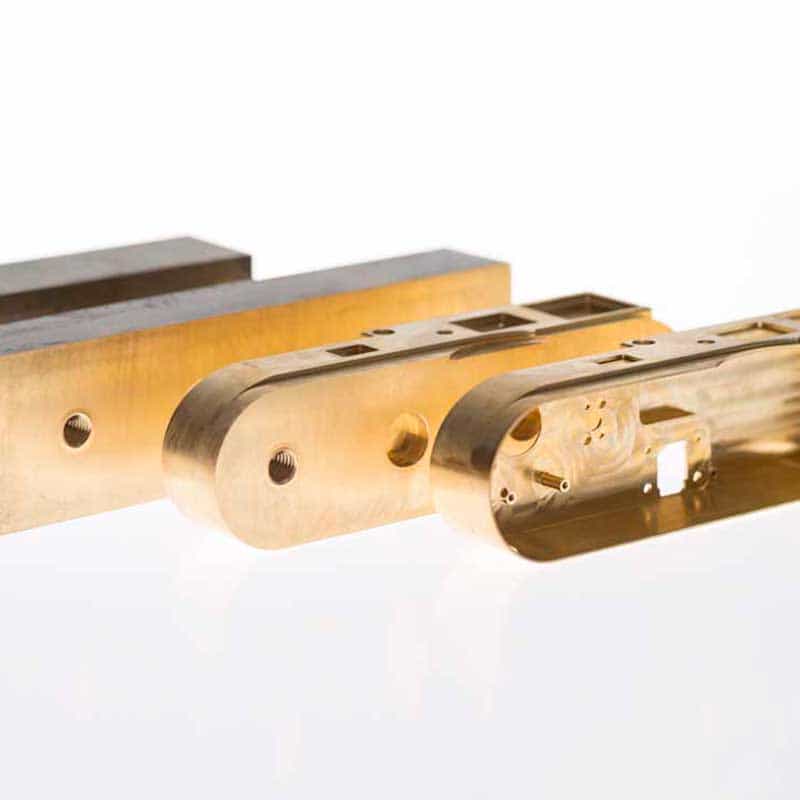

Many sub assembly steps like milling, anodisation, and chrome plating are done in Famalicão
Most of the Leica binoculars and telescopes are made in Portugal, but I did see binoculars being worked on in Wetzlar during my last visit there as well. Without going too deeply into what is made where, the two facilities work closely together. Many subassemblies are made in the Portugal plant and then shipped to Wetzlar for final assembly. Add items which are not made in house, like sensors for instance, and the question of where a camera, a lens or a pair of binoculars is being made becomes difficult to answer at best.


Milling, grinding and polishing of optical binocular components are all made in Famalicão
However, it is my understanding that a lot of the final assembly steps are done in Wetzlar, as is the final testing before packaging and shipping.
Leica is the world’s leading manufacturer of aspherical lens elements and, as far as I know, these are all made in Wetzlar.

International trade rules allow a company to state as the final country of origin, where an item is assembled and deemed ready for shipment. Therefore most Leica items are labelled “Made in Germany.” Some consider this as being misleading, but would it be helpful to have a whole list of countries of origin based on the various parts that are used to make an item?
Be assured that buying a piece of Leica equipment will always give the assurance that it is of the highest level of quality and subsequent performance.

For complete information on the Famalicão operation in Portugal go here
Related topic: "ELCAN - ERNST LEITZ CANADA LIMITED" go here
Related topic: "MAKING CAMERAS AND LENSES THE LEICA WAY" go here
Related topic: "ELCAN - ERNST LEITZ CANADA LIMITED" go here
Related topic: "MAKING CAMERAS AND LENSES THE LEICA WAY" go here
For other articles on this blog please click on Blog Archive in the column to the right
To comment or to read comments please scroll past the ads below.
All ads present items of interest to Leica owners.
_______________________________________________________________________
For other articles on this blog please click on Blog Archive in the column to the right
To comment or to read comments please scroll past the ads below.
All ads present items of interest to Leica owners.
_______________________________________________________________________




The next Tamarkin Camera auction isNovember 14, 2020 
 Buy vintage Leica cameras from America's premier Leica specialist
 http://www.tamarkin.com/leicagallery/upcoming-show

The next Tamarkin Camera auction is
November 14, 2020
Buy vintage Leica cameras from
America's premier Leica specialist
http://www.tamarkin.com/leicagallery/upcoming-show
Click on image to enlar Order: info@gmpphoto.comPlease make payment via PayPal to GMP Photography
Click on image to enlarge Order: info@gmpphoto.com
 Order: info@gmpphoto.com
Click on image to enlar
Order: info@gmpphoto.com
Please make payment via PayPal to GMP Photography
Click on image to enlarge
Order: info@gmpphoto.com
Please make payment via PayPal to GMP Photography
Click on image to enlarge
Order: info@gmpphoto.com
Please make payment via PayPal to GMP Photography